
Say YES As Often As Possible
When you are giving instructions, think about the words and tone you use. There is often a more positive way to say most things which will provide a better learning opportunity for your students.
When you are giving instructions, think about the words and tone you use. There is often a more positive way to say most things which will provide a better learning opportunity for your students.

Student and teacher wellbeing are closely linked, and both impact student achievement and outcomes.
Adopting some simple practices in the classroom can improve the quality of life for both your students and yourself.

Just as a young child learns to master their environment when they have appropriate levels of support and freedom, so our students learn to be independent, self-motivated learners when the environment is appropriately predictable and challenging.
Here are 8 ways to help your students be independent learners

Put these 7 strategies in place to reduce parental anxiety (and your own) in meetings with parents.

Your guide to solving behaviour problems in the classroom
A Year 5 boy is in trouble again. He continually refuses to do his work, he wanders around the room annoying other students by touching their work and talking about random topics, he talks to the teacher in a disrespectful tone and uses some low level swearing in class. When the teacher approaches him, he moves away and threatens to leave the room.

When I first started teaching (many years ago!) I was struck by the cookie cutter approach of the education system, that seemed to knock any individualism, originality and enthusiasm right out of young students.
Any student who didn’t fit in was poked and prodded (figuratively) till they were made to fit.

Going back to school can be a time of great excitement… and anxiety. These simple tips can help parents and students have the best start to the year possible.

There are so many differing views on what positive reinforcement actually is, and whether you should or should not use it. Positive reinforcement can be a variety of things: grades on a report card, verbal praise, non-verbal acknowledgment, specific feedback and tangible rewards.
Here are 13 mistakes that teachers make when using reinforcement.
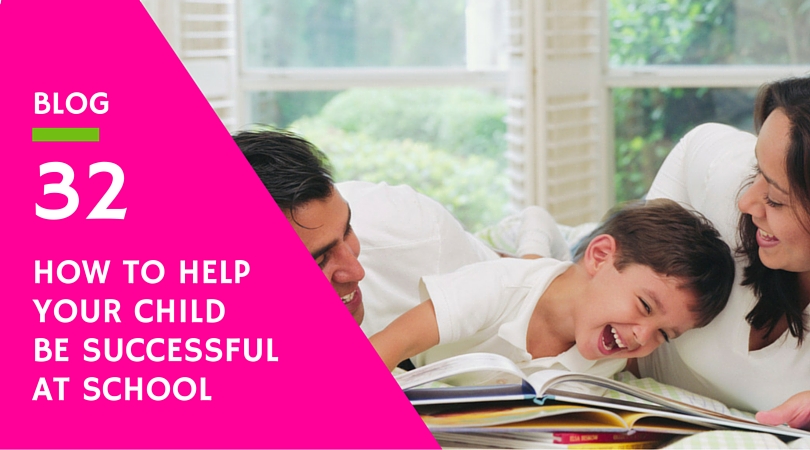
For teachers and schools to be able to do the best job possible with students, partnering with parents and caregivers is ideal.
You are the parents, the first educators of their children. As such, you often hold the key to many issues that may arise for your child at school. In addition, when you and your child’s school are singing from the same hymn book, your child will achieve greater results socially, emotionally and academically.
Here are 5 ways you can help your child be more successful at school:

While as educated adults we know that to lead a healthy lifestyle we should drink less red wine, eat less chocolate, exercise regularly and have plenty of sleep, we don’t always do it!
That’s because we are all continually developing our self-regulation skills.
Your students are the same. They may know what to do, but lack the self-regulation skills to always act appropriately.