
How To Get Your Students To Ask More Questions
Teachers talk 80% of the day
Ask 150-200 questions
Most are process based, requiring little analysis or relationships
Teachers allow approximately 3 seconds to respond
Teachers talk 80% of the day
Ask 150-200 questions
Most are process based, requiring little analysis or relationships
Teachers allow approximately 3 seconds to respond

Is resilience the key to student success?
How to promote resilience in our students is a hot topic in education and health at the moment and for a good reason.
Resilience is the ability to cope with negative life events and challenges. It has been described as the capacity to ‘bounce back’ from difficult situations and persist in the face of adversity.
Developing resilience in young people is considered by many as the antidote to the epidemic of mental ill-health across our society today.
The rate of students with anxiety and depression is of growing concern (Sawyer et al, 2000; Mission Australia, 2009) and schools are uniquely placed to contribute to healthy student attitudes and self-awareness.
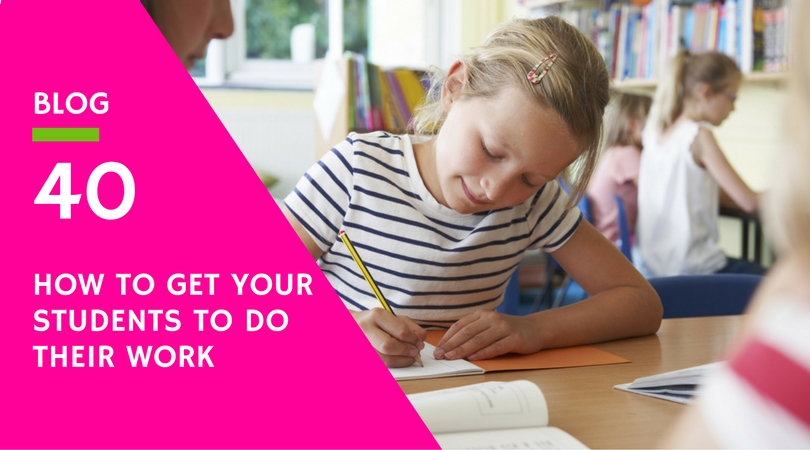
Getting your students to do their work can sometimes be difficult!
There are times when kids are disruptive or challenging because they are bored!
A relevant curriculum combined with student-centred, engaging pedagogy, can go a long way to preventing off-task behaviour. Here are the top 10 mistakes teachers make.
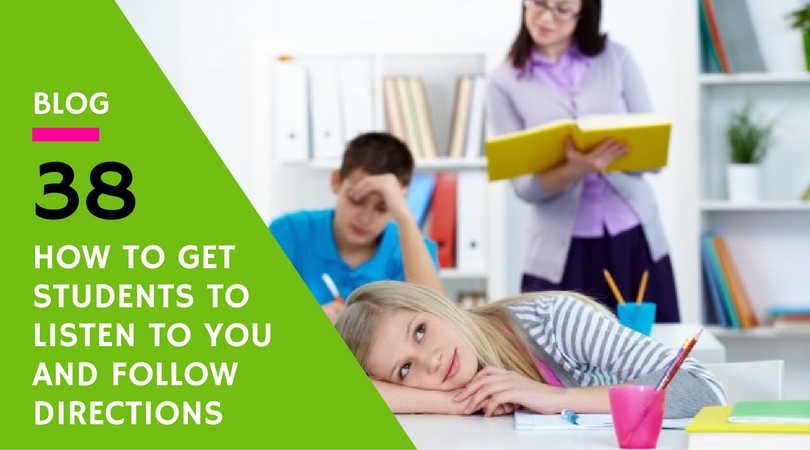
Do your students always seem to be asking, ‘What are we meant to be doing?’ One of the biggest issues teachers have is how to get students to listen and follow directions, without having to repeat themselves.
The secret lies in giving clear directions the first time. It can mean the difference between effective learning and time wasting confusion!
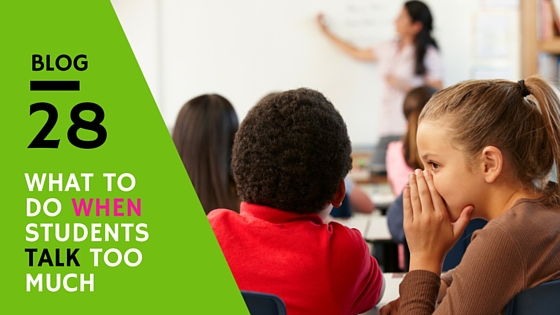
If you consider problem behaviour as a lack of skill, in much the same way students may lack literacy or numeracy skills, this can give you clues as to the most effective approach:

Have you ever heard your name called so often in class you threatened to change your name just so no one could call on you?
Teaching your students alternative ways of accessing your attention will contribute to smooth running of the classroom, help manage behaviour problems and save your sanity! Teach and model non-verbal ways of communicating to your students.

Have you ever taught a student who just didn’t seem to care about achieving at school?
They don’t seem to care about their work, they may or may not be disruptive, but their lack of achievement and drive is understandably disturbing for a teacher. The student may even be quite capable but they do not seem to have any motivation.
These students can be the most challenging because their lack of interest may push our buttons, particularly if they are apathetic about our subject or class!!
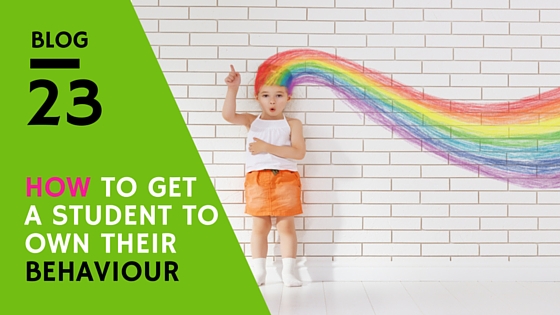
For children and young people who live in uncertain family situations, who do not trust easily and who do not have positive role modeling for taking responsibility, this may be like asking them to fly to the moon.
Learning to take responsibility for our own actions can be a lifelong process and teachers are well placed to provide support and guidance for students.
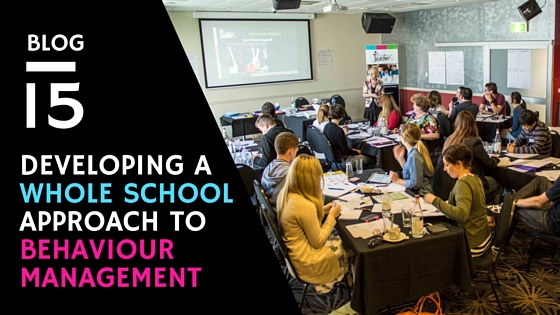
While there is no quick fix for the difficulties schools face with the behaviour of some students, many of the issues can be mitigated by having a positive whole school behaviour management approach. Schools that work well with students with challenging behaviour, usually work well with all students. It is about putting most of our efforts into positive, proactive strategies and having a solid foundation.

To get the most out of your students, it is important that you get the most out of yourself first. You can do this by modelling high standards in your lesson preparation.